
FIRST AT THE MACHINE
The Station
The alert reaches the station first, while the part is still in the fixture and the correction costs a few seconds rather than a scrapped part and a re-run. Most alerts end there, which is the entire point.
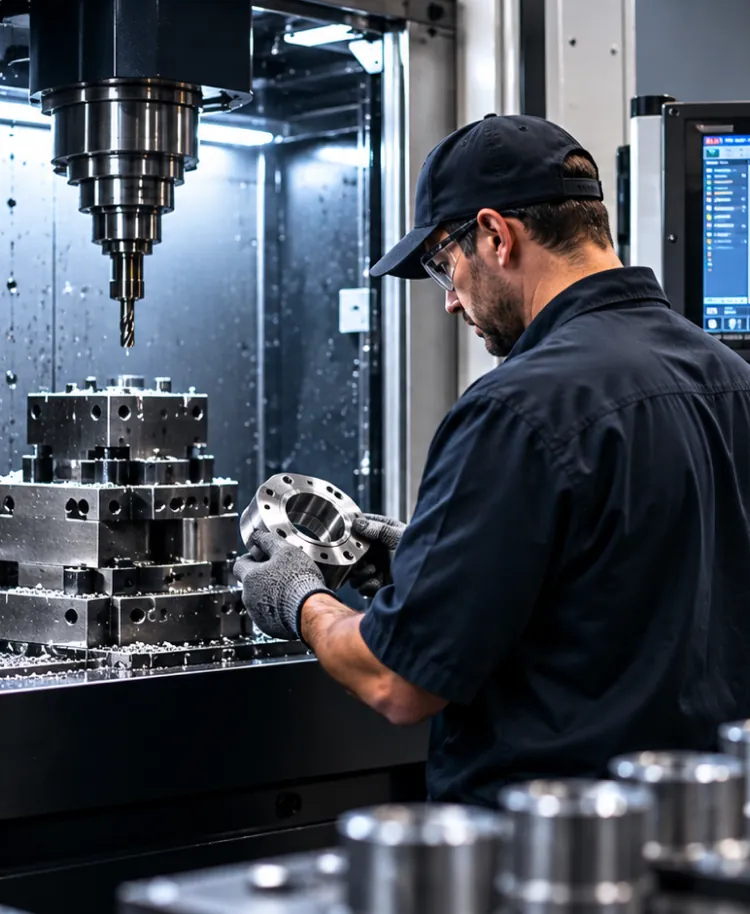
An operator at a milling machine or a laser cutter loads a part, waits for the machine, takes it out, inspects it, deburrs it, gauges it, and stages it for the next operation. The controller records the cut. Everything the operator does around it goes unrecorded, and that's where the variance on your line comes from. Operator Vision watches the human half of the cycle and alerts the operator at the station.
Live in two weeks. No MES integration required. Your work instructions are the only input Operator Vision needs.
An operator works at a machine. A mill, a lathe, a laser cutter, a grinder. They load a part, the machine runs, and they take it out and do something with it: inspect it, measure it, deburr it, clean it, label it, and stage it for whatever comes next.
On a high-mix floor one operator often tends several machines, moving between them as each one finishes. Between jobs there's a changeover, and on some machines that runs to hours.
What the controller records is the cut. What no one records is everything the operator did on either side of it.
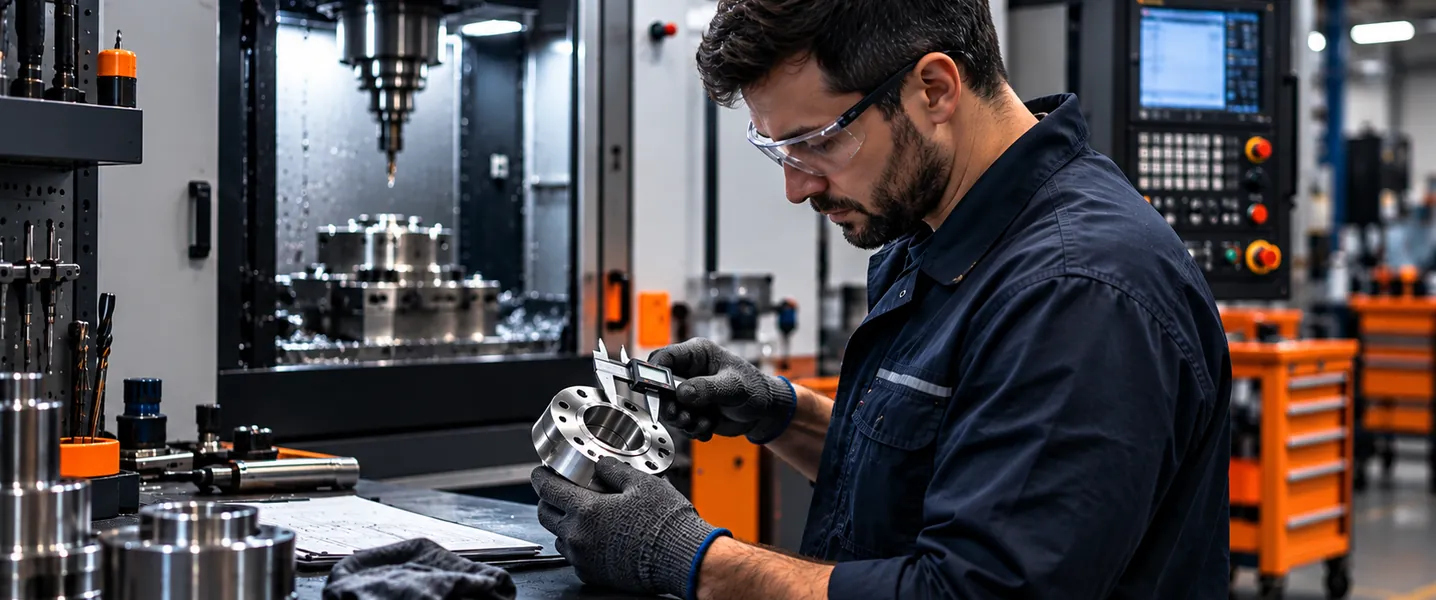
Once a machine is set up and running it takes over and reports any change. Everything on either side of that is a person, and people vary. Two operators running the same part on the same machine load it differently, unload at different points, and spend different amounts of time on the inspection and the deburr. Across a shift that comes out as a different number of parts off the same machine, and no one can say which part of the cycle accounts for it. Then there's the time the machine isn't cutting at all. A machine sitting idle because the operator is at another one, or waiting on material, or finishing paperwork, is capacity you have already paid for. That gap is obvious from above and invisible everywhere else. And then the checks. A gauge check gets skipped when the queue backs up. A part goes into the fixture rotated. A deburr gets missed and the part moves on looking finished. None of that is in machine data, because none of it is the machine.
50–70%
of scrap at high-mix, low-volume manufacturers traces back to how the work was performed, rather than to suppliers or design
15–30%
of throughput lost when operators drift from the standard
Half
the time your continuous improvement engineers spend on manual time studies, given back. That's the target Assembler AI builds to.
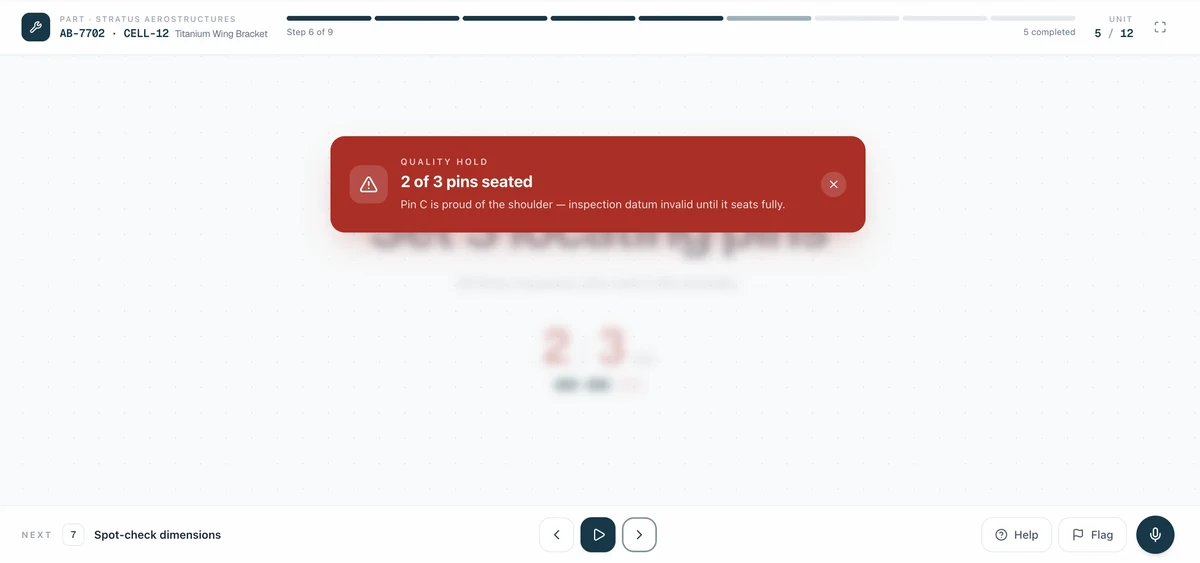
Part loading and orientation
A part in the fixture the wrong way round is correct in every other respect, which is exactly why it survives until something later doesn’t fit.
The gauge check happened
Not the reading, which lives in the gauge, but that the operator picked it up and applied it rather than skipping it when the queue backs up.
Deburring, cleaning, and labeling
The finishing steps that look optional at the end of a long cycle and aren’t.
Where the part went next
The right bin, the right cart, the right stage for the operation that follows.
Sequence
The steps around the machine performed in the order your work instructions define.
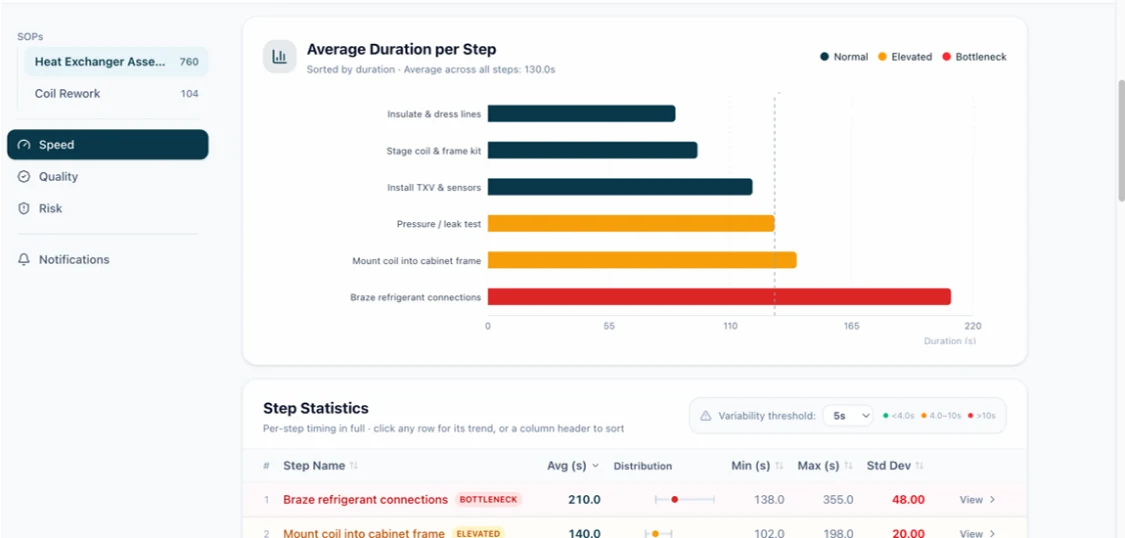
Every operator step timed, every cycle
Load, unload, inspect, gauge, deburr, and stage, on every part rather than on the ones somebody watched. Average, minimum, and maximum, by shift, with video on every outlier.
Machine downtime
How long a machine sits idle between parts, and what was happening around it. Idle time on capacity you have already paid for is the most expensive gap on a machining floor.
Setup and changeover duration
Operator Vision sees when a changeover begins and when production resumes, so you get the total time for every changeover on every machine and a distribution rather than one quarterly number. The individual steps inside a setup aren’t tracked.
Where the hours actually go
Waiting, walking, searching for a tool or a fixture, and re-doing a step get separated from the work that moves the job forward.
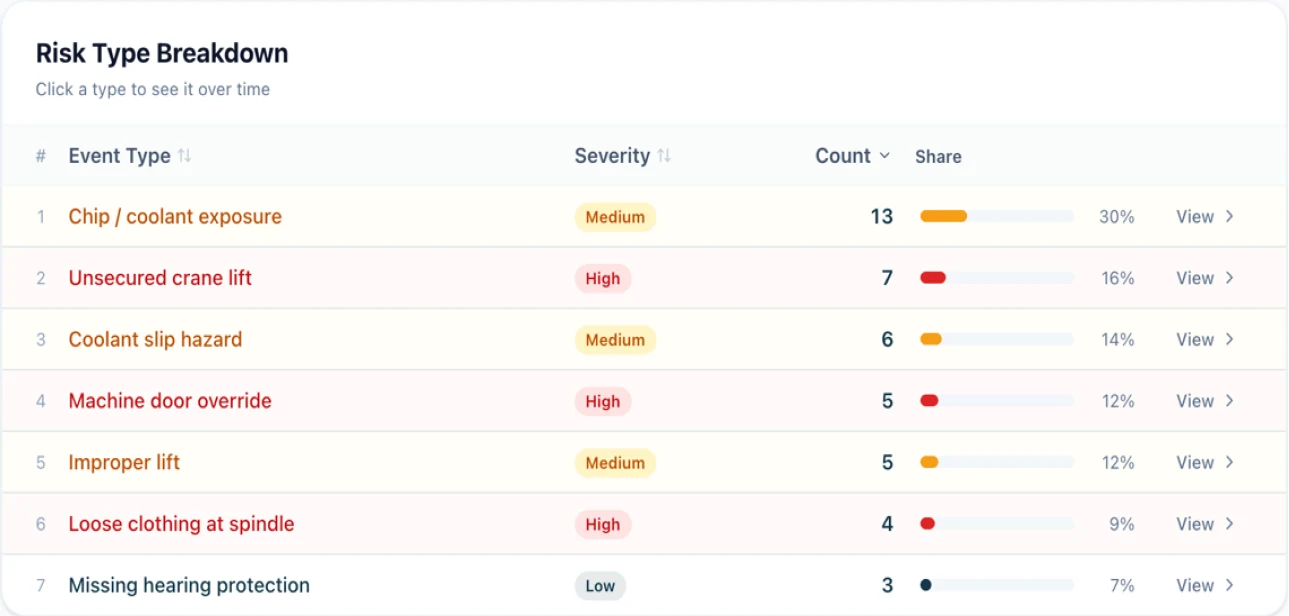
The actions that never appear as steps
A part off the floor and back in the fixture. A finished part in the wrong bin or on the wrong cart. Chips or coolant handled in a way your procedure rules out. A machine left running unattended when it shouldn’t be.
FIRST AT THE MACHINE
The Station
The alert reaches the station first, while the part is still in the fixture and the correction costs a few seconds rather than a scrapped part and a re-run. Most alerts end there, which is the entire point.
IF UNHANDLED
The supervisor
If it isn’t handled at the machine it escalates to a supervisor with the video attached.
ALWAYS
The dashboard
Either way the event lands on the dashboard, because one alert tells you about a moment and the same alert forty times on second shift tells you about your process.
The test is simple. If a supervisor standing next to the operator could see it, Operator Vision can see it
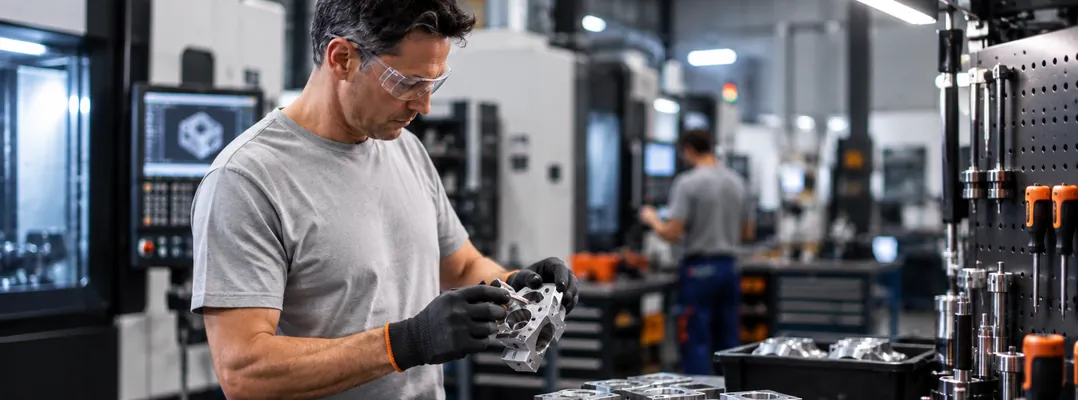
Loading, unloading, gauging, deburring, inspecting, labeling, and staging. All of it visible from outside the machine and none of it currently recorded.
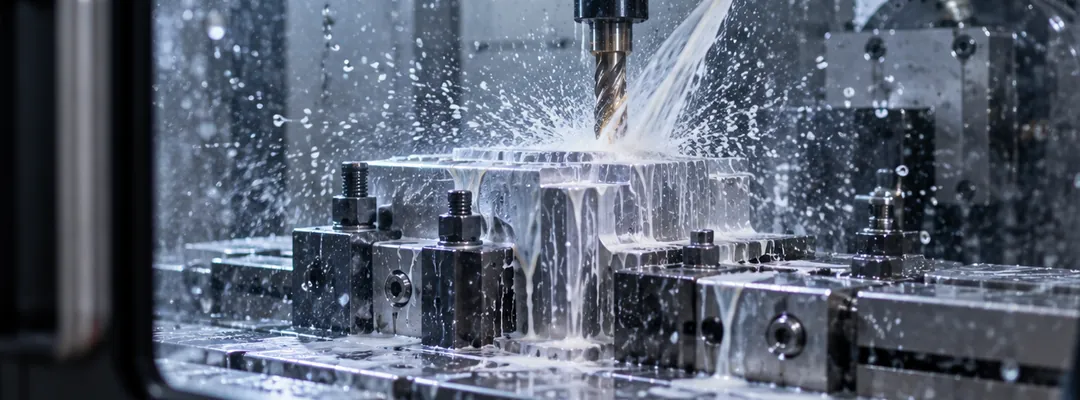
The cut belongs to the machine and its own monitoring. Operator Vision covers the human half of the cycle, which is the half with no data on it.
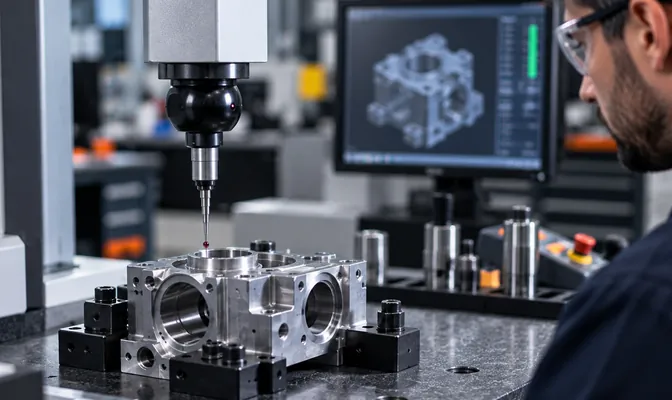
Whether a dimension passed lives in the gauge or the CMM. Operator Vision confirms the check was performed at the right point, which is the part that gets skipped.
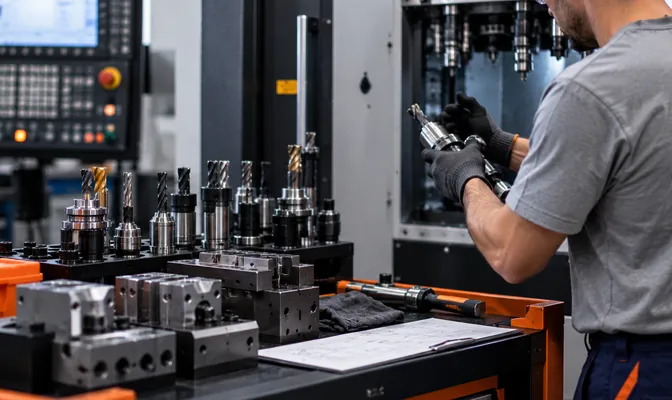
Operator Vision sees when a changeover starts and ends, so you get its duration on every machine. The individual steps inside it aren't tracked.
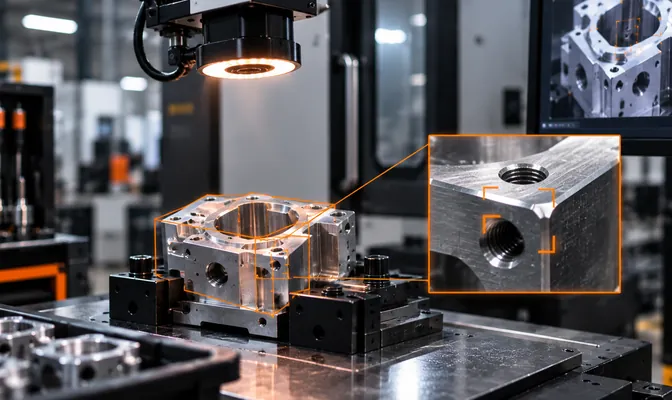
Fine markings and very small features depend on camera position, and Assembler AI confirms what's resolvable during calibration rather than after go-live.
A continuous read on all three at that cell, running whether or not anyone is scheduled to look.
Load, unload, gauge, deburr, and stage, timed on every cycle rather than on the ones somebody watched. The spread matters more than the average, and this is the first time you can see it.
How long each machine waits between parts and how that changes by shift. On a floor where one operator tends several machines, this is usually where the recoverable capacity is.
When one operator consistently gets more parts off the same machine, the step-level data shows exactly where the difference is. That becomes the method everyone learns, backed by video of somebody doing it.
How often the check gets skipped, on which shift, and under what conditions.
Total time for every changeover rather than a quarterly sample, so you can see which machines and which jobs run long.
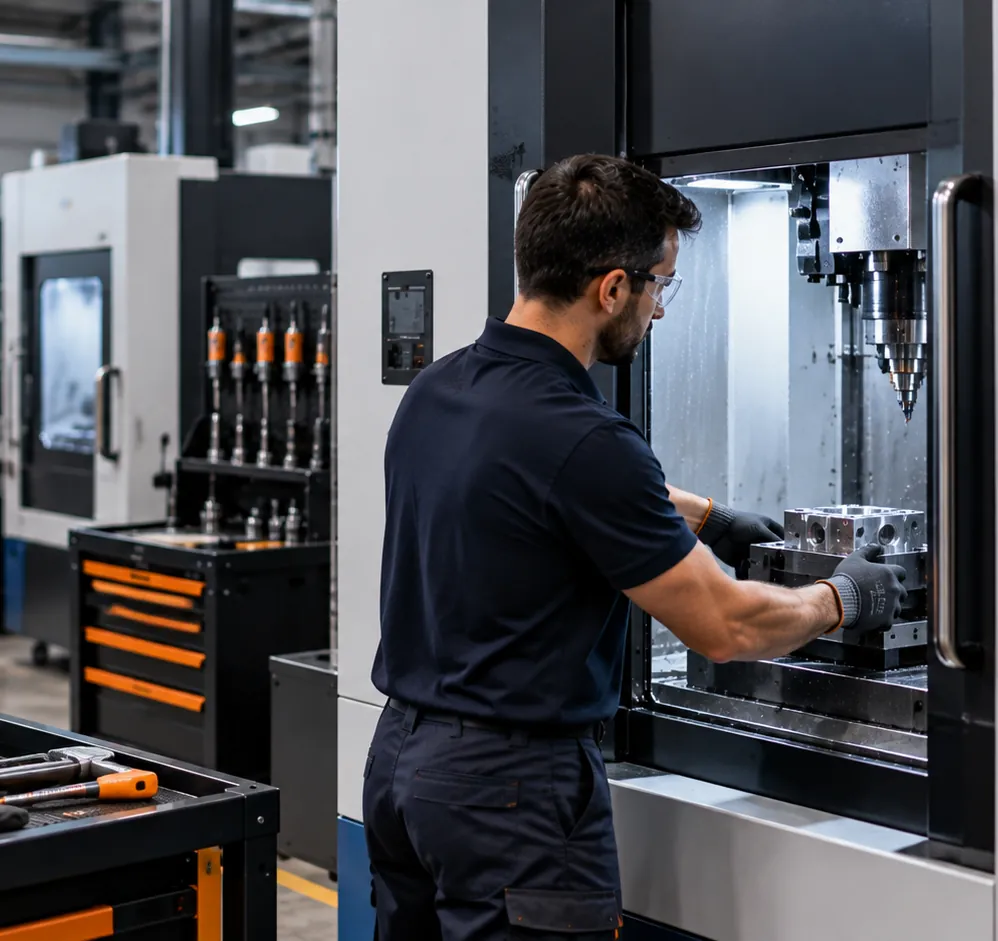
One camera mounted to cover the operator's working area, off-the-shelf and NDAA-compliant, supplied and provisioned by Assembler AI. It watches the operator rather than the machine, so nothing connects to the controller, nothing goes inside the enclosure, and no machine integration is required. The camera sits on its own subnet and streams out over an encrypted VPN.
Send the work instructions you already have on day one, and if this cell has none written down, Assembler AI will work with you to create them. Week one the camera goes up. Week two is calibration and training the model on your alerts.
That's two weeks on a cell with one operator, closer to three where an operator tends several machines. Cells after the first go up in parallel.
No one instruments a plant on a vendor's promise. So you start small, with the machine where output varies most between operators or where idle time is highest. Two weeks later you have step-level data on your own cycles.
What happens after is worth understanding before you begin. This data is comparative, so every station you add makes the ones you already have more useful.
How the operator's half of the cycle actually runs, where the idle time sits, and where the hours go.
Machines running similar work become directly comparable. You find out whether a slow machine is the machine, the job, or the method, which is a distinction no one can currently make.
Shifts and departments compare against each other, and a change to the setup procedure gets measured against how that cell ran before it.
The same job run in two plants becomes comparable for the first time, with video from both. The best method in your group becomes the standard across it.
If you're heading toward multiple sites, tell Assembler AI early and we'll scope single sign-on, role-based permissions, and per-site data separation with your IT and HR teams while the first station runs.
No. Operator Vision watches the operator's working area rather than the machine, so there's no controller integration and nothing goes inside the enclosure. Your machine monitoring keeps doing its job and this covers the half it can't see.
The opposite. Machine monitoring tells you what the spindle did. Operator Vision tells you what happened around it, the loading, the checks, the finishing work, and how long the machine sat idle in between. On a high-mix floor that’s where the throughput problem usually is.
Common on a machining floor, and it works. Each cell is instrumented independently, and Assembler AI sizes the camera coverage at the walkthrough so the operator’s work at each machine is actually in frame.
It confirms the gauge or indicator was used at the right point in the sequence. The reading itself comes from the gauge or the CMM, and be careful with any vendor who says a camera alone can give you a dimension.
That’s the environment Operator Vision was built for. It learns the setup steps rather than one finished part, and where jobs look visually different it identifies which one is running.
Operator Vision sees when a changeover begins and when production resumes, so you get its total duration on every machine and every job. The individual steps inside a setup aren’t tracked, so what you get is a reliable number and a distribution rather than a step-by-step breakdown.
Yes, and it’s one of the first things customers act on. You get idle time per machine by shift, alongside what was happening around the machine during it.
You upload the new version and Operator Vision is retrained against it.
No. Faces are blurred and no names or IDs are collected. Variance shows up tied to a cell and a shift, which is the version that leads to a better standard method rather than a difficult conversation.
One camera, two weeks, and you’ll know where the hours around that machine actually go.
No MES integration required, and it scales easily across your sites.
Stay updated with the latest news, ideas, and product updates.